


STUDY DESTINATION
Study in the United Kingdom
One-year masters, a two-year graduate visa and 142 partner institutions — the shortest route from application to working abroad.
- 142
- partner universities
- £27k–45k
- average tuition
- 1 year
- typical masters
- 2 years
- graduate work visa
- IELTS 6.5
- typical requirement
WHY STUDY HERE
Shorter degrees, lower total cost, and a work visa that does not depend on an employer.
A UK masters takes twelve months rather than two years, which cuts a full year of tuition and living costs out of your budget. The Graduate Route then gives you two years to work in any job, in any sector, without needing sponsorship first.
- 01Degrees recognised worldwideFour of the global top ten universities sit in the UK.
- 02No employer sponsorship neededThe Graduate Route is open to every eligible graduate.
- 03Work 20 hours a week while studyingTerm-time work is permitted on a student visa.



COST OF STUDYING
What a year in the UK actually costs.
| ITEM | LONDON | OUTSIDE LONDON |
|---|---|---|
| Tuition (taught masters) | £28,000 – £45,000 | £19,000 – £30,000 |
| Accommodation | £850 – £1,300 / mo | £520 – £780 / mo |
| Food & household | £240 / mo | £190 / mo |
| Transport | £160 / mo | £70 / mo |
| Visa & health surcharge | £1,258 (IHS + fee) | £1,258 (IHS + fee) |
TOTAL FIRST YEAR
£32,400
Typical all-in cost for a one-year masters outside London, including visa and health surcharge.
VISA REQUIREMENTS
Five steps from offer letter to boarding pass.
- 01CAS from your universityIssued once you accept and pay the deposit.
- 02Financial evidence28 consecutive days of maintenance funds.
- 03Tuberculosis testRequired for applicants from Bangladesh.
- 04Online application + IHS£490 visa fee plus £776 per year health surcharge.
- 05Biometrics & decisionTypically 15 working days, priority in 5.
POPULAR UNIVERSITIES
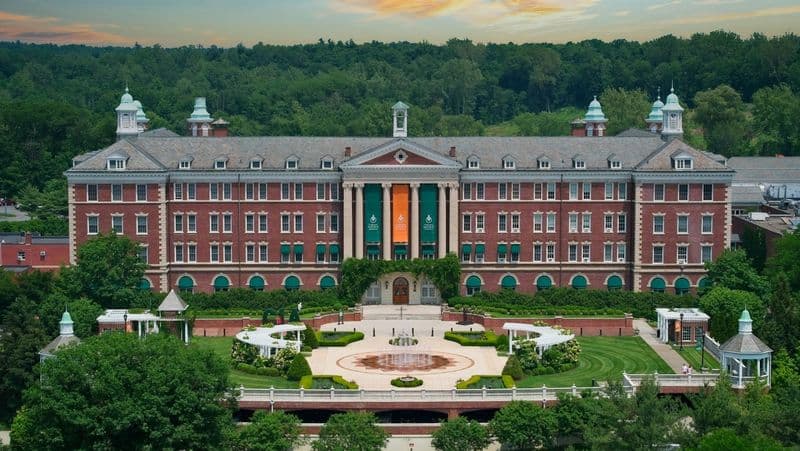
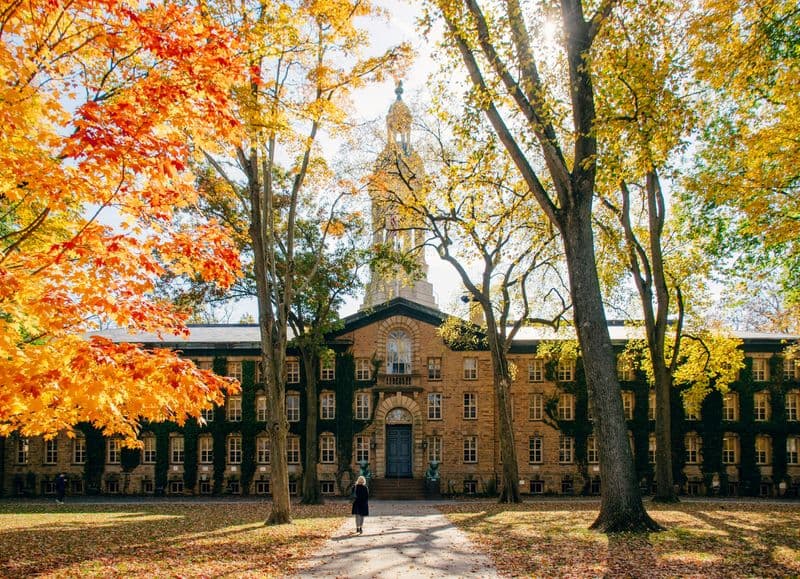
Where our UK applicants actually enrolled.

SCHOLARSHIPS
Funding you can realistically apply for.
- CheveningFull tuition + stipendSep deadline
- Commonwealth SharedFull tuitionDec deadline
- GREAT Scholarships£10,000Varies by university
- University merit awards£3,000 – £8,000With your offer
CAREER OPPORTUNITIES
Two years to work, in any job, without sponsorship.
- £38,000
- median graduate salary
- 2 years
- Graduate Route
- 3 years
- for PhD graduates
Highest-hiring sectors for our UK graduates: technology, healthcare, finance, engineering and education.
Explore career pathsSTUDENT LIFESTYLE
Cities our students choose, and why.

London
Highest cost, widest job market
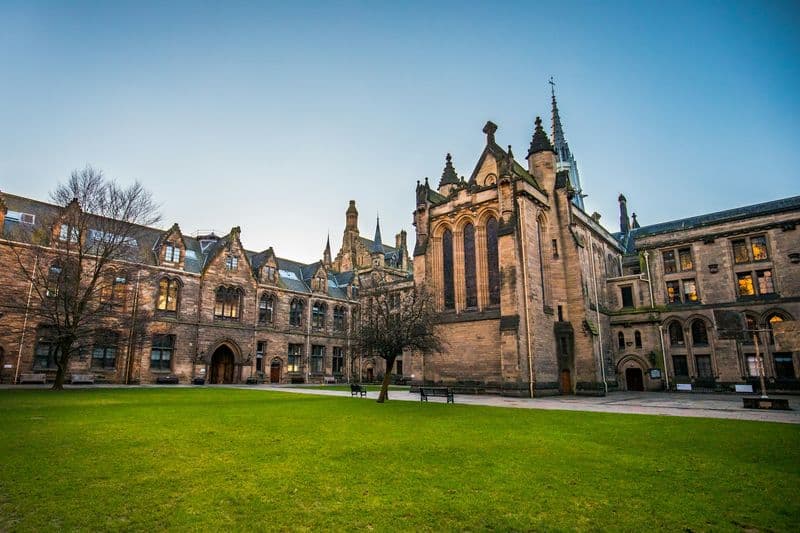
Manchester
Large Bangladeshi community

Leeds
Cheapest of the big student cities
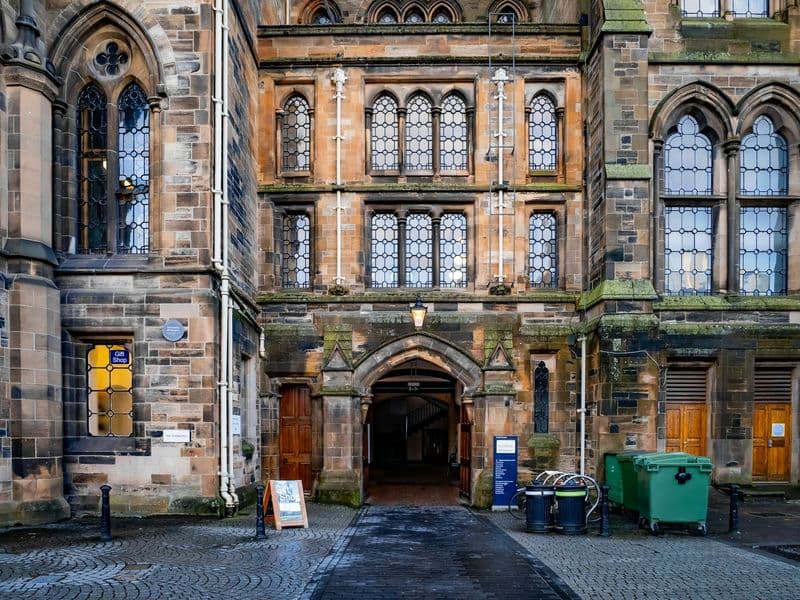
Glasgow
Lower rent, strong engineering
APPLICATION GUIDANCE
Working backwards from a September start.
- Oct – DecShortlist and sit IELTS
- Jan – MarSubmit applications and SOP
- Mar – MayAccept offer, pay deposit, get CAS
- May – JulVisa application and biometrics
- Aug – SepAccommodation, flights, arrival
Common questions
Can I work while studying in the UK?
Yes. Degree-level students on a Student visa can usually work up to 20 hours a week during term time and full-time during official vacations. Check the conditions on your visa.
Do I need IELTS for every university?
Not always. Some universities accept other tests (PTE, TOEFL, Duolingo) or waive the requirement for some applicants. You will still need to meet the English requirement for your visa.
How much money must I show for the visa?
You must show your remaining first-year tuition plus living costs for up to nine months, held for 28 consecutive days. The monthly amount is higher in London. Your counsellor will calculate the exact figure for you.
Can my spouse come with me?
Dependants are generally only allowed for postgraduate research students and some government-sponsored students. Most taught masters students cannot bring dependants.
When should I apply for September 2026?
Start in October to December of the year before. Popular courses fill up early, and scholarships often close between November and February.

FREE CONSULTATION
Tell us what you're planning.
We'll build the shortlist.
- 01A 45-minute call with a counsellor, not a salesperson
- 02A shortlist built around your budget and your grades
- 03An honest read on your admission chances
- 04A written plan with the deadlines that matter
“They told me honestly that two of my five choices were out of reach. That saved me two application fees.”



 Nusrat J. · Dhaka → Manchester
KEEP LOOKING
Related courses
FROM THE BLOG